

An Overview of Osteoarthritis
Osteoarthritis is a common condition affecting millions of people worldwide. About 3.5 million Americans are suffering from it. The disease, a condition wherein any joint in the body can be affected, is irreversible and chronic.
However, unlike other forms of arthritis, this doesn’t affect any other organs of the body. Knees and feet are often the most affected areas as they bear our body weight. Although, it is not uncommon in the joints of the hands, which are more in use.
The joints of the human body comprise a junction of two bones. The ends of the bones are lubricated by a tough, smooth, slippery tissue called cartilage. The cartilage acts as a protective coating for the bones, preventing them from rubbing against each other and facilitating motion in the joints.
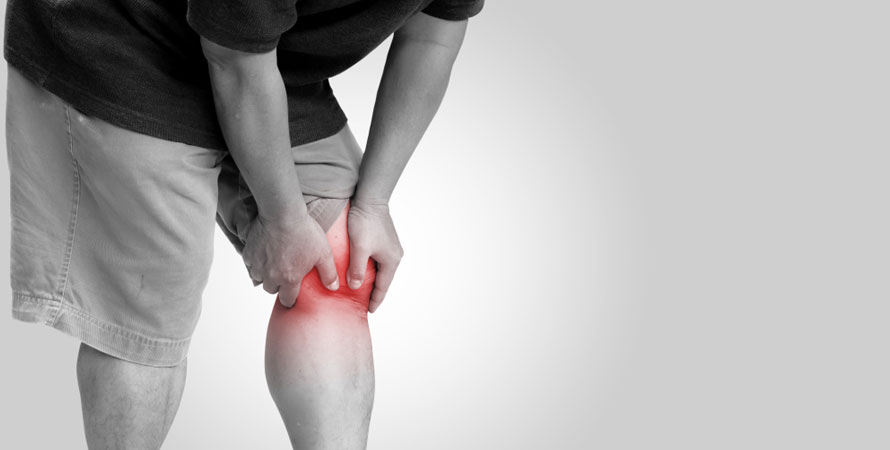
Osteoarthritis results from the cartilage becoming thinner or degenerating, which can restrict joint movement and hence painful and stiff. Degeneration or damage of the cartilage is a normal process as it undergoes wear and tear, and almost all of us will at some point develop this condition.
As you grow older, you accumulate more wear and tear in the joints, which is one of the causes of osteoarthritis. However, when the cartilage wears out, the tissues around the joint jump into action and initiate a repair process to help with the joint’s smoother functioning. Hence, some of us may not experience too many symptoms or discomfort.
Leading Causes of Osteoarthritis
The exact causes of osteoarthritis are not known. It is mostly attributed to the accumulated wear and tear of the cartilage over time. There are, however, several factors that contribute to the damage of the cartilage.
- Obesity – When a person is obese, the knees have to work harder to support the extra weight. This leads to faster degeneration of the cartilage. Obese people mostly have arthritis of the knees and hips.
- Joint Injuries – Joint injuries are quite common in people who indulge in playing sports. They can also be a result of accidents. An injury involving tearing of the ligaments, cartilage, or joint dislocation may have occurred years ago and poses a risk factor for osteoarthritis.
- Heredity – For some people, the condition runs in the family, especially if you have a joint defect or were born with congenital malformation of the joints. Your genes are very likely among the leading causes of osteoarthritis.
Some rare forms of osteoarthritis are linked to genetic factors responsible for the production of collagen. Collagen is the protein responsible for maintaining the health of the connective tissues.
- Occupation – Some occupations are prone to a higher risk of arthritis. If your job involves a lot of physical labor like squatting, taking the stairs, or kneeling, you are likely to develop joint pain and stiffness.
- Medical Conditions – People with medical conditions like hemochromatosis, diabetes, hemophilia, or avascular necrosis can also experience symptoms of osteoarthritis.
For example, in avascular necrosis, there is a lack of blood supply to the bone tissue leading to its degeneration and arthritis. Also, crystal deposits in the cartilage due to gout is one of the causes of osteoarthritis.
- Gender – Studies also show that women are more affected than men. This is because female hormones have a more pronounced effect on the cushioning cartilage. It is more common in women above the age of 55 who have hit menopause.
Furthermore, this is because in older women, the level of the hormone estrogen, which helps against inflammation, drops. Also, women have less stable joints.
- Age – It is another factor in the development of osteoarthritis. The symptoms of osteoarthritis mostly start in the 40s as muscles weaken, weight increases, and the body is less able to heal itself naturally.
What Are the Symptoms that Add Up to the Diagnosis of Osteoarthritis?
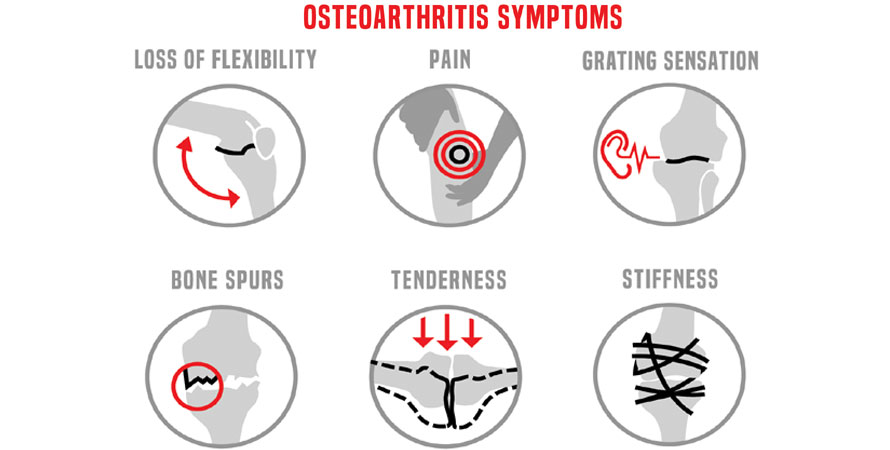
Osteoarthritis is a progressive disease, and the symptoms develop over time. Common symptoms of osteoarthritis include:
- Pain – Since the lubrication in the joint movement is compromised, patients experience soreness and discomfort during physical activity.
- Stiffness – Most people who suffer from osteoarthritis complain of stiff joints in the morning or after specific periods of inactivity, like sitting for a long time or sleeping. After the rest period, the joints may feel rigid or hard to move.
- Inflammation – Some patients with osteoarthritis experience swelling around the joints because of fluid accumulation due to bone-to-bone contact. However, it is a less common symptom. Accumulation of fluid, i.e., synovial fluid, however, does cause inflammation of the joints in many patients.
- Tenderness – Being one of the most common symptoms of osteoarthritis, tenderness is a complaint of those suffering from it, i.e., sensitivity on the joint being touched or if slight pressure is applied. It may happen because of the bones rubbing against each other or pinching of the nerves.
- Grating sensation – If you have osteoarthritis, you may also experience a grating sensation as the bones rub against each other. Sometimes you may hear a crack or pop.
References
1] https://www.healthline.com/health/common-causes-osteoarthritis#bleeding
2] http://blog.arthritis.org/gout/osteoarthritis-gout-connection/
3] https://www.healthline.com/health/osteoarthritis-symptoms#symptoms

Written By
HealthWeb Magazine Editorial Team
The HealthWeb Magazine Editorial Team is a group of experienced health writers, researchers, and editors committed to delivering accurate, well-researched content on health, wellness, and nutrition.
Read Full Bio →

